
A wet FGD plant scrubs sulphur dioxide from the flue gas with limestone slurry and produces gypsum. Nearly every tank in it holds solids: limestone is ground and slurried, the slurry is fed to the absorber, gypsum forms in the reaction tank at the absorber base and is bled off for dewatering, and the filtrate is returned. The agitators keep all of these solids suspended, and in the reaction tank they also help spread the oxidation air through the slurry.
The slurry is abrasive, and chlorides from the coal and the make-up water make it corrosive, so impeller speed and wetted materials decide how long the agitators last. Large absorber and slurry tanks are commonly mixed with side entry agitators; their configuration for FGD duty is on sideentrymixer.com. Smaller preparation, filtrate and drain tanks use top entry agitators.
Typical mixing duties
- Limestone slurry preparation tanks
- Absorber reaction tank
- Gypsum slurry and bleed tanks
- Filtrate and reclaim water tanks
- Emergency and drain tanks
What we design for
- Impellers sized to keep limestone and gypsum suspended
- Duplex wetted parts for chloride-bearing slurry
- Agitation that helps spread oxidation air in the reaction tank
- Continuous-duty drives, with seals protected from abrasive slurry
Equipment for fGD and power
 Side entry mixersLarge storage tanks, 2.2–55 kW
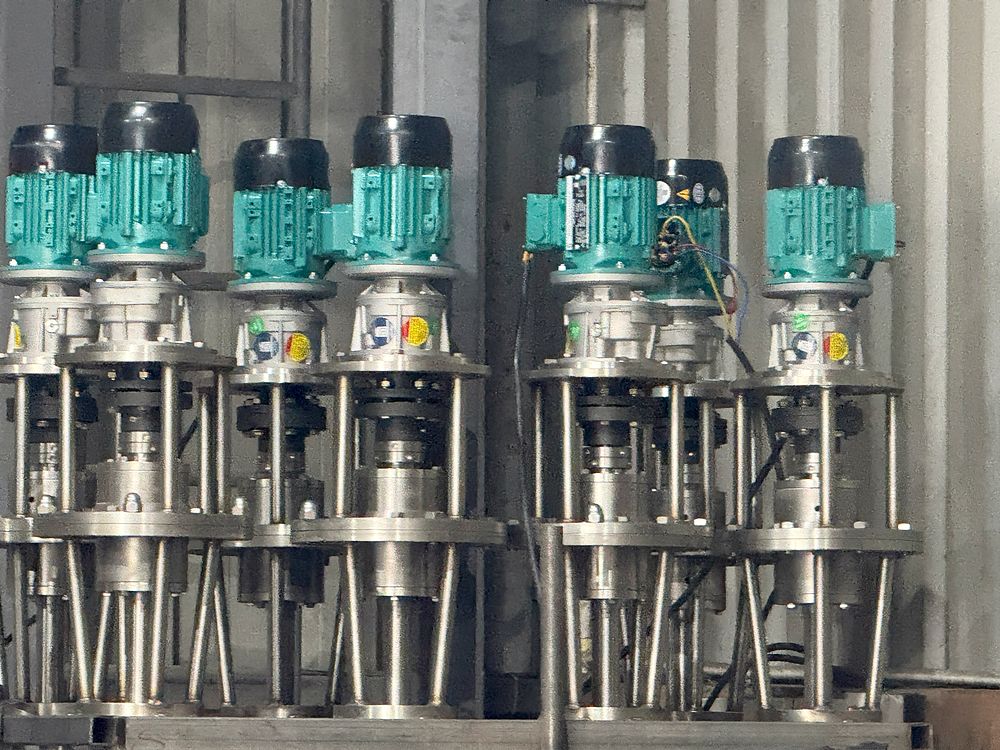 Top entry agitatorsReactors, blend and storage tanks
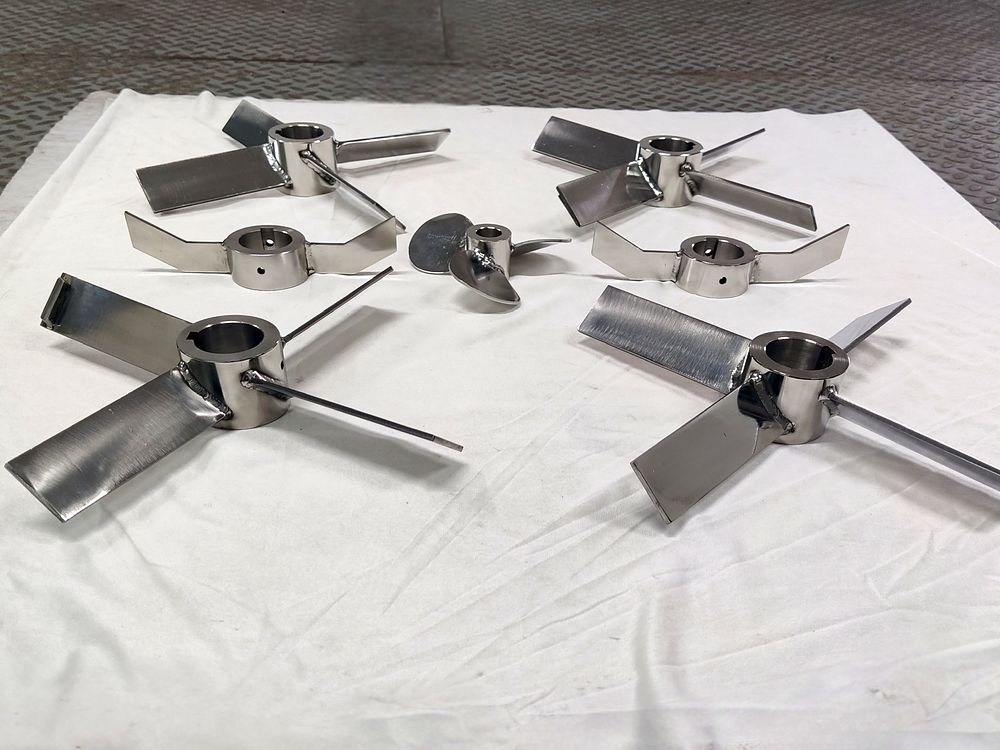 ImpellersReplacement and upgrade impellers
 Mixing tanks and agitated vesselsVessels supplied with the agitator