An FMT engineer replies within one working day. Budget prices from tank size and duty. +91 73852 62875WhatsAppsales@fluidmixtech.comExport buyers

Reactor agitators

Top entry agitators for chemical reactors, new or as replacements for existing ones: impellers, shaft, seal and drive designed for the reaction, the vessel and its heat duty.

An FMT engineer replies within one working dayBudget price from tank size and duty

Reactor agitator on a stainless steel reactor: geared motor, lantern, mechanical seal with its seal pot, and the cover nozzles

A reactor agitator works harder than most. Viscosity can change many times over during a batch, solids may form or dissolve, gas may have to be dispersed, and heat has to move through the wall while the seal holds pressure or vacuum. The agitator has to cope with the worst point in the batch, not the average.

For a new reactor we design the agitator with the vessel. For an existing reactor we start from the vessel drawing, the agitator nozzle and the process, and design an agitator that fits the existing mounting where possible. The usual reasons to replace one are poor mixing or long batch times, seal and bearing failures, and a change of product or batch size; see assessment of existing mixers.

Where it is used

  • Stainless steel reactors, new or existing
  • Jacketed and limpet coil reactors
  • Hydrogenators and gas-liquid reactors
  • Resin and polymer reactors with rising viscosity
  • Crystallisers and precipitation vessels
  • Fermenters and bioreactors

How FMT builds it

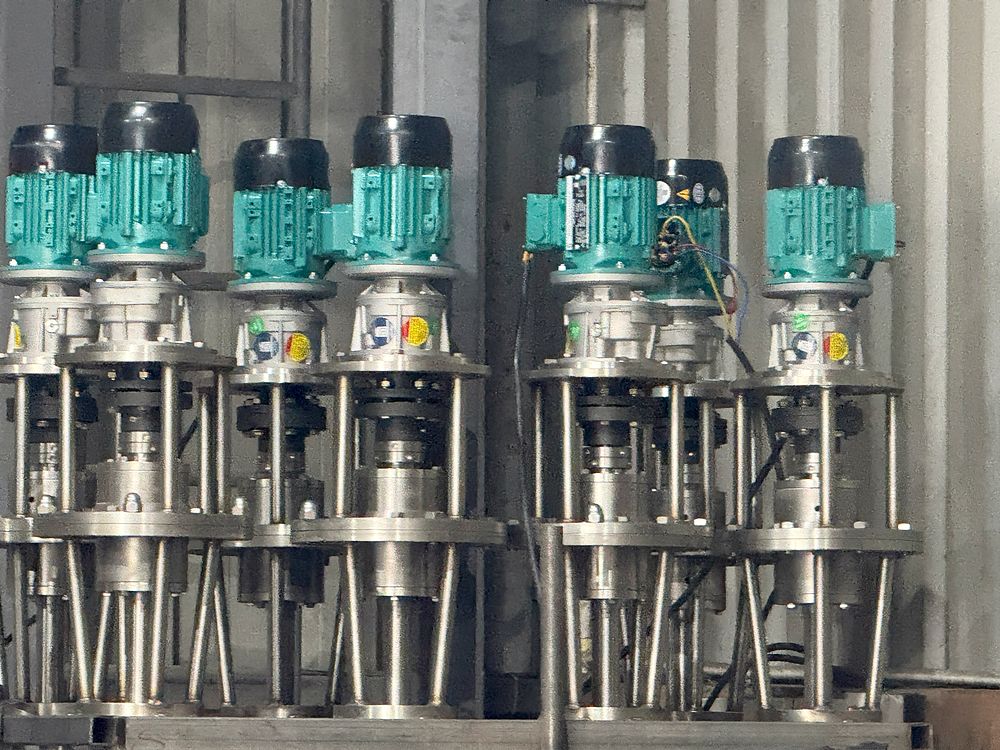
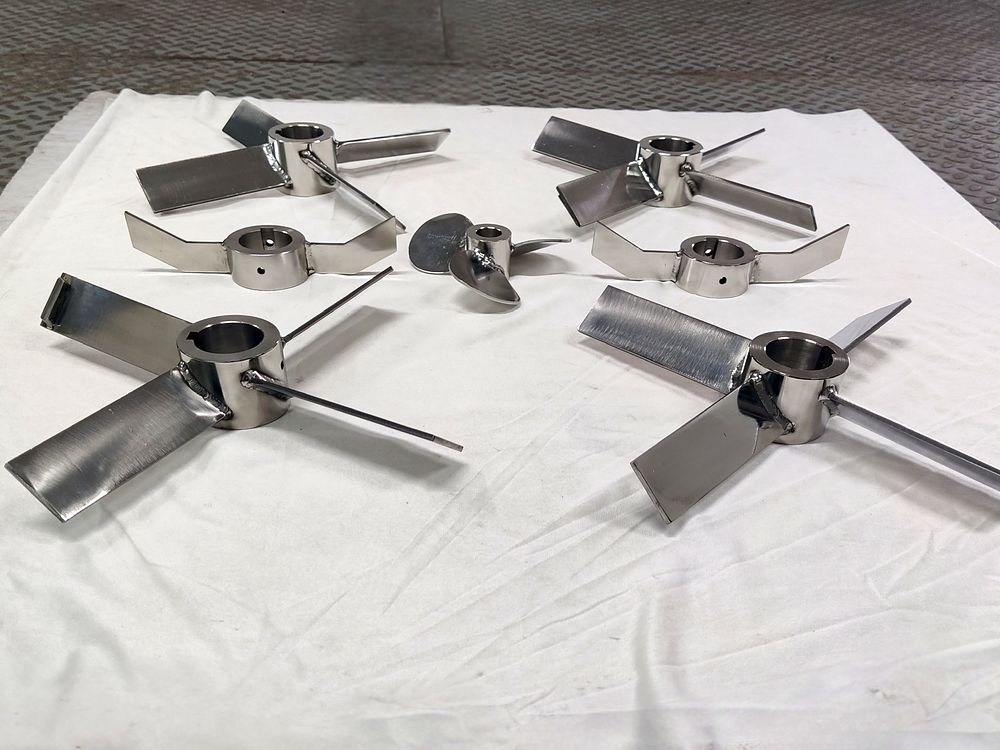
ImpellersHydrofoil, wide-blade hydrofoil, pitched blade, disc turbine, anchor, or anchor with turbine
ShaftDesigned for the torque and bending at the worst point of the batch; checked for critical speed
Shaft sealSingle or double mechanical seal, with a barrier fluid system where needed
DriveGeared motor or motor with gearbox; variable speed drive on request
SupportBearing housing and mounting stool; bottom steady bearing for long shafts where needed
Wetted partsSS 304 or SS 316 / 316L; other alloys on request
MotorFlameproof (FLP) where the hazardous-area classification requires it
Typical arrangement

The red lines show how the impeller moves the liquid. Every FMT unit is sized for its own vessel, product and duty, so yours is drawn for your tank in the offer.

Send your vessel for a drawing
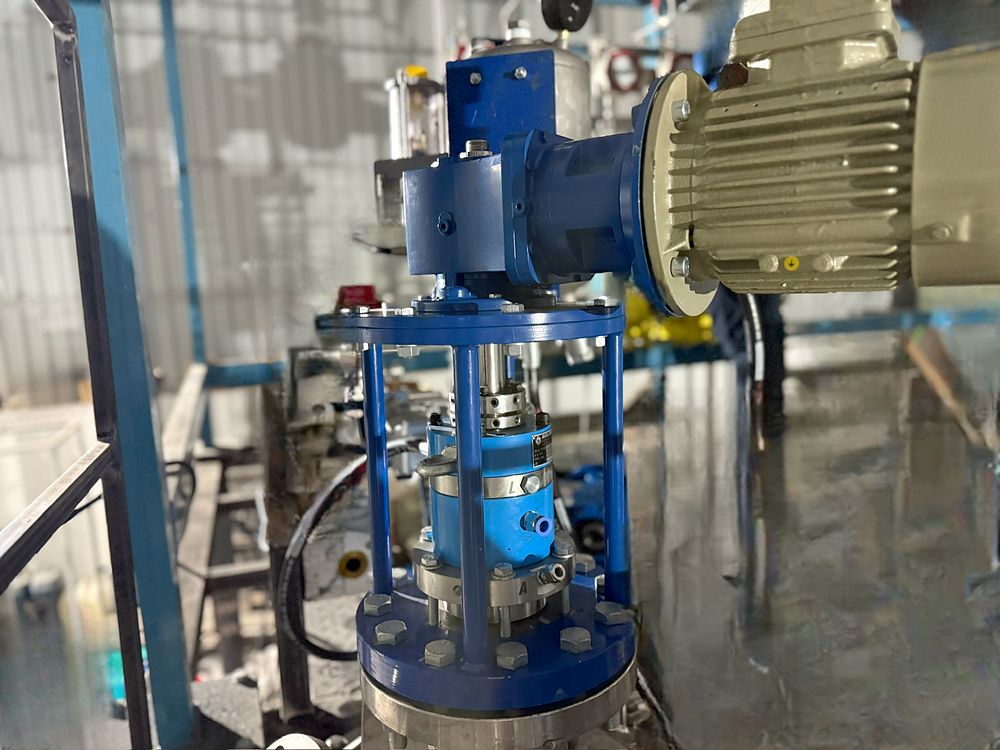
Reactor agitator drive with lantern, bearing housing and mechanical seal on a reactor top
Flameproof reactor agitator drive mounted on a reactor cover
Reactor agitator with mechanical seal and seal support system

What we need to size it

  • Reactor drawing: diameter, height, heads, the agitator nozzle and any baffles or coils inside
  • Batch volume and the lowest level at which the agitator must run
  • Product through the batch: density, viscosity, solids and gas
  • What the agitator must achieve: blending, suspension, gas dispersion or heat transfer
  • Design pressure, vacuum and temperature
  • For a replacement: the present motor, gearbox, speed and seal, and what is going wrong
Send what you have. A vessel drawing and a short description of the product and duty is enough to start; we ask for anything else we need. Send an enquiry

Common questions

Can a new agitator fit my existing reactor nozzle?
Usually, yes. We design the mounting flange, seal housing and shaft to suit the existing nozzle and head. If the nozzle or head is too small for the loads, we tell you and propose the change.
My reactor batches take too long. Can the agitator help?
Often. If batch time is set by heating, cooling, dissolving or gas transfer, a better impeller or speed can shorten it. We check the present agitator against the duty and recommend the change.
Which impeller is best for a reactor?
There is no single answer. Hydrofoils and pitched blades suit blending and suspension in thin batches; disc turbines disperse gas; anchors, alone or with a turbine, suit viscous batches and heat transfer. Many reactors use two impeller types on one shaft. See impeller types explained.

Send us your vessel. We size the agitator.

Tank size, product and what the agitator has to do is enough to start. Send a drawing, a datasheet or just a photo of the tank, and we reply with a recommended design and price, or a budget price first if you need one.

An FMT engineer replies within one working day.