
A paper mill mixes fibre and it mixes chemicals. Fibre suspensions in stock and broke chests do not flow like ordinary liquids, and the thicker the stock, the more power it takes to keep it all moving; stock left standing loses water and forms lumps. Large chests are usually mixed with side entry agitators, which our dedicated site covers in detail: stock chest agitators.
The chemical side of the mill is a set of smaller tanks. Starch is slurried and cooked, fillers such as calcium carbonate and clay are dispersed and kept in suspension, retention and sizing chemicals are diluted and dosed, and coating colour is made up from pigments, binders and additives. These are agitated tanks with top entry agitators or dispersers, each sized for its own duty.
Typical mixing duties
- Stock and broke chests
- Pulper and blend chests
- Starch slurry and cooking tanks
- Filler slurry make-up and storage
- Retention and sizing chemical preparation
- Coating colour preparation
What we design for
- Side entry agitators for large chests, sized for the stock consistency
- Dispersers for pigment and filler make-up
- Gentle mixing for retention polymers
- Drives and seals for continuous duty
Equipment for pulp and paper
 Side entry mixersLarge storage tanks, 2.2–55 kW
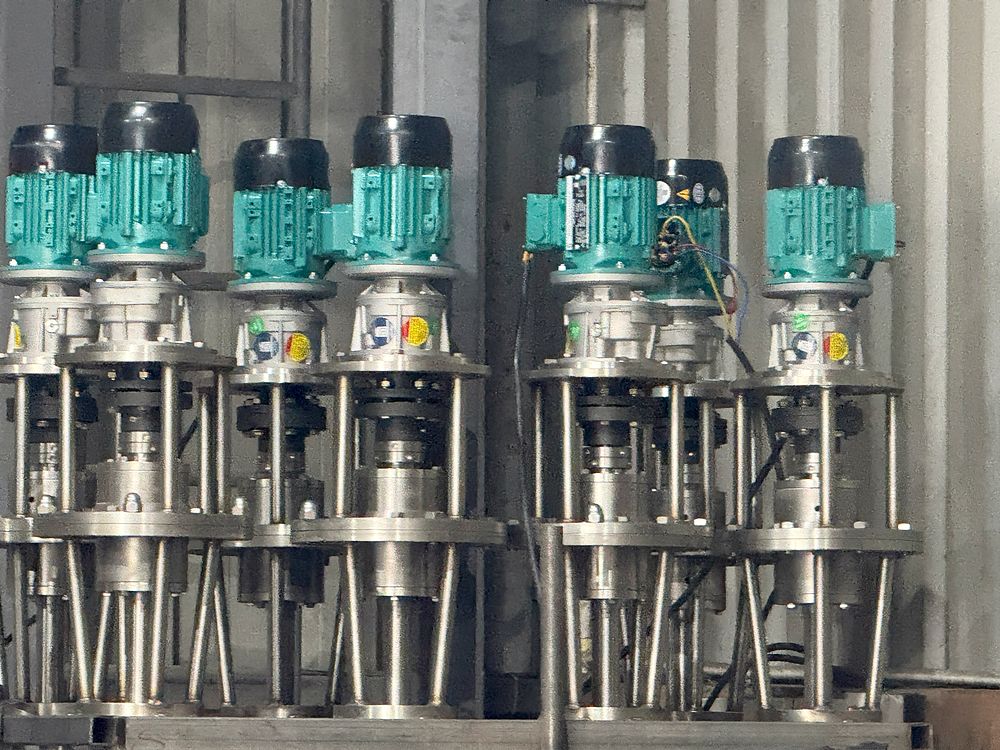 Top entry agitatorsReactors, blend and storage tanks
 High speed dispersersSaw-tooth disc, powder wetting
 Mixing tanks and agitated vesselsVessels supplied with the agitator
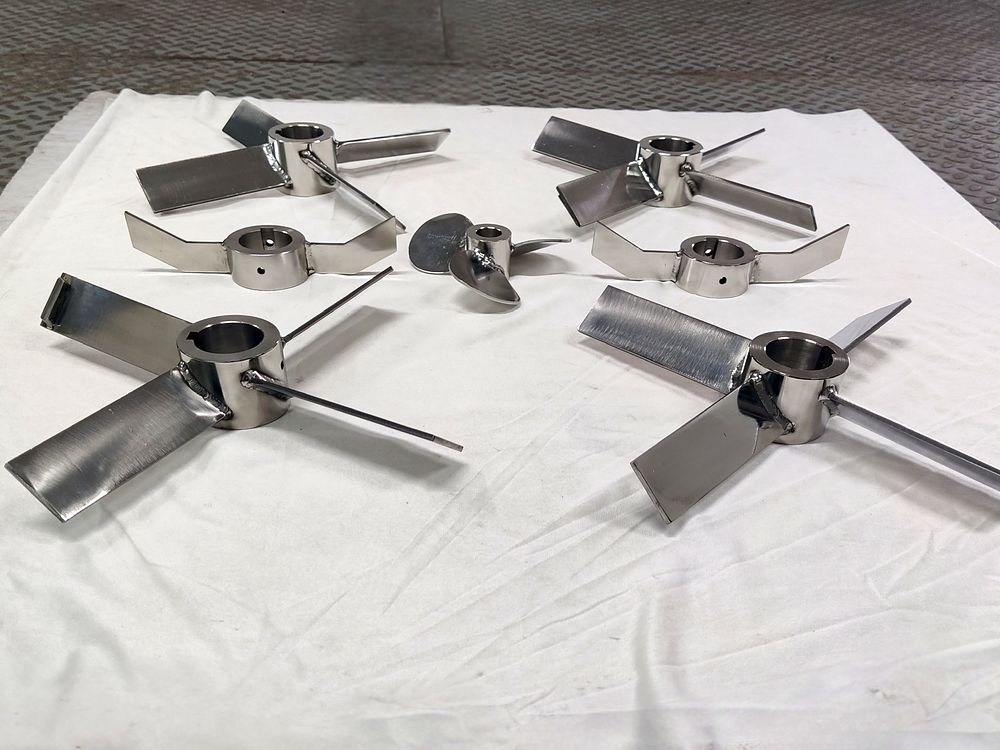 ImpellersReplacement and upgrade impellers